Let’s talk garden zoning ideas on a budget! I love all the things in that sentence as a slightly obsessed bespoke on a budgeter. One of the biggest things that changed our garden over the years wasn’t actually a specific project or expensive feature. It was learning how to divide the space up properly.
Before that, our garden just felt like one long awkward rectangle where everything blurred together a bit. We had random flower beds, patches of lawn, scattered furniture and areas we barely used because there wasn’t really any structure to it.
As soon as we started creating different zones in the garden, the whole outdoor space started feeling bigger, more practical and much more considered, even though most of the projects themselves were actually done on quite a tight budget.
The good news is garden zoning ideas do not need huge landscaping costs or a professional garden designer. Some of the best ways to divide a garden are actually really affordable and can be done gradually over time using DIY projects, planting and clever layout tricks.
Why zoning instantly makes a garden feel more expensive
I think this is one of the biggest differences between gardens that feel thoughtfully designed and gardens that feel a bit unfinished.
Once you create separate outdoor areas with different uses, the whole garden layout starts making more sense visually.
Even now, when I look back at older photos of our garden before we started properly dividing it up, it’s strange how much smaller and flatter it actually looked. Nothing really drew your eye anywhere. It was just one long space with furniture pushed against fences and bits added in random places over time.
As soon as we started breaking things up a bit more using pathways, planting and changes in materials underfoot, the garden started feeling much bigger without us actually gaining any extra space. The seating area suddenly felt separate from the lawn, the gravel path naturally pulled you further down the garden and the whole thing felt much calmer visually.
Use garden paths to guide the eye through the space
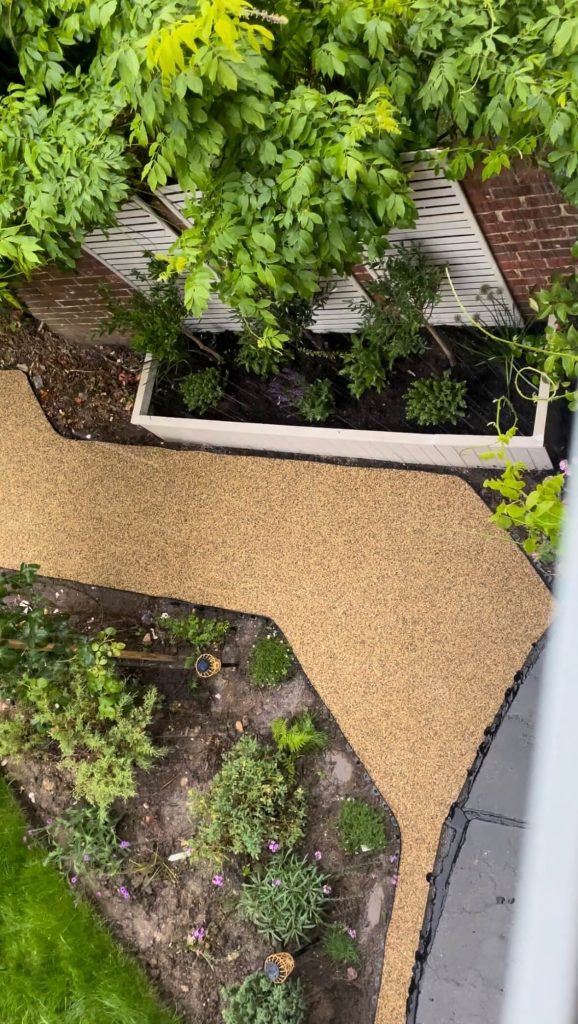
One of the easiest ways to create zoning is with pathways.
I love the way our DIY resin pathway naturally guides you through the garden and separates the lawn area from the planting and steps.
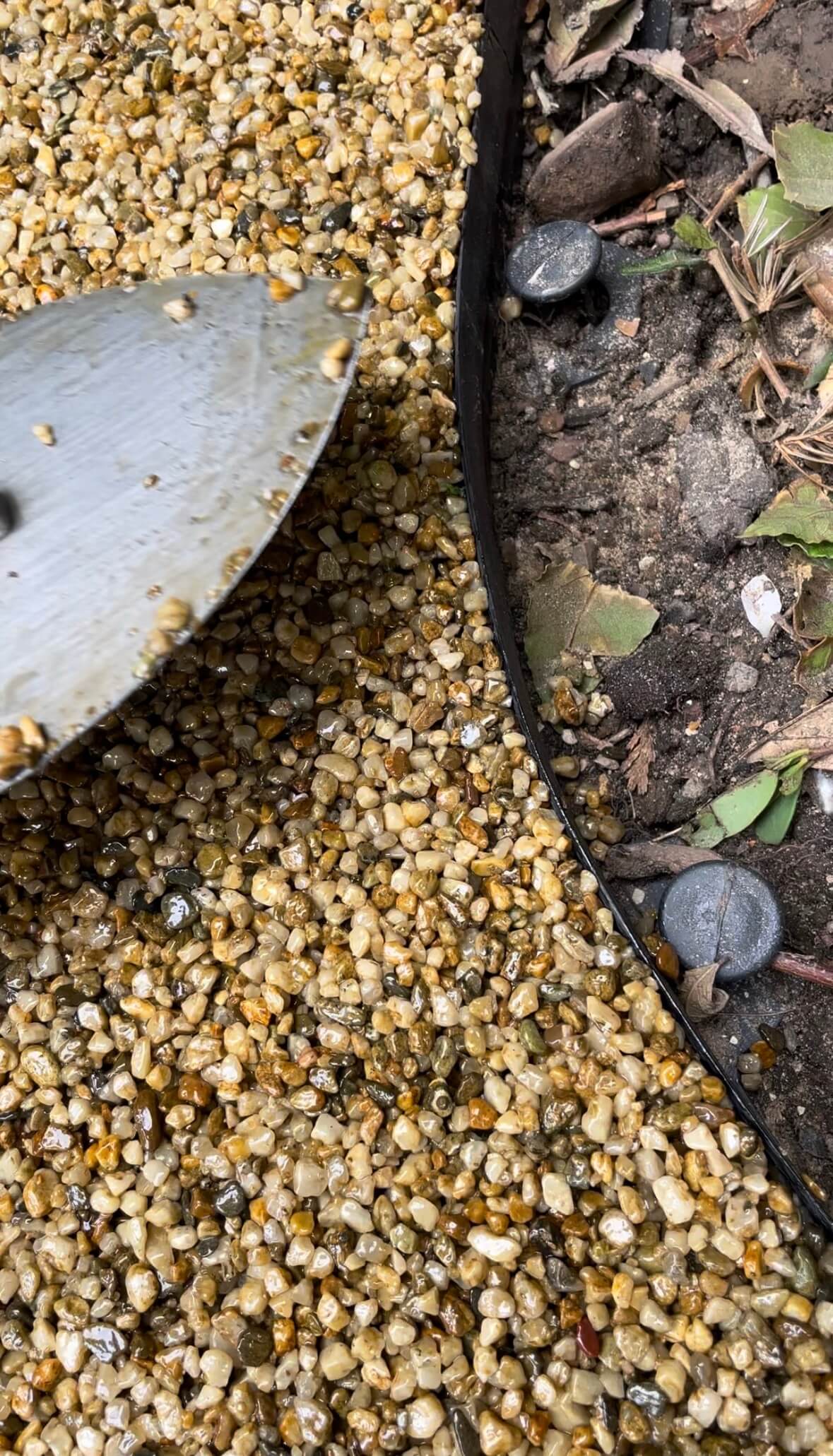
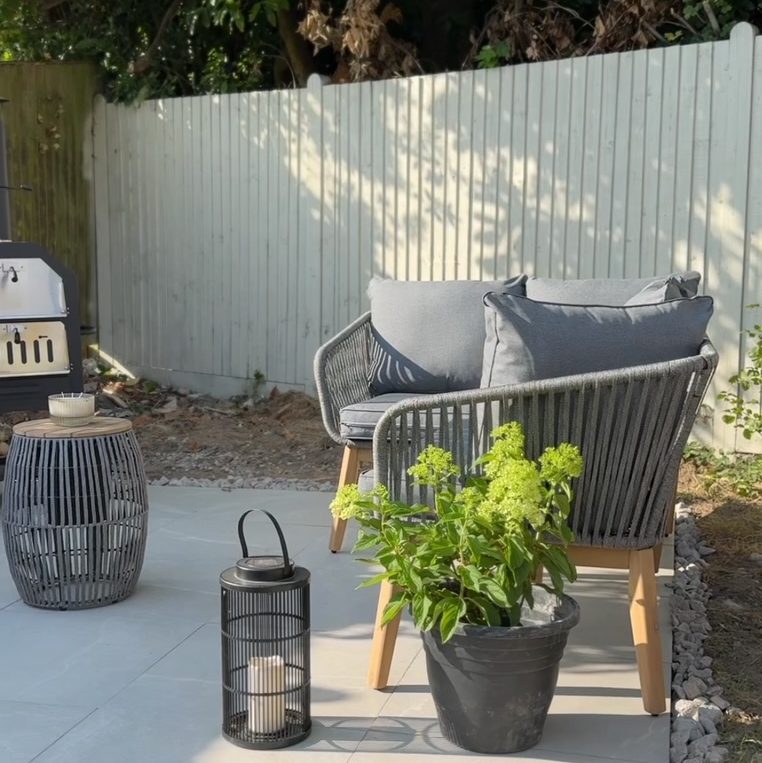
Different materials help massively with zoning as well. In our garden we’ve used everything from gravel paths and resin walkways through to porcelain slabs and decking to subtly separate areas from each other without needing walls or heavy screening everywhere. Even something as simple as changing the surface underfoot slightly can help define a space much more clearly.
Garden zoning ideas on a budget – arches make separate zones feel more defined
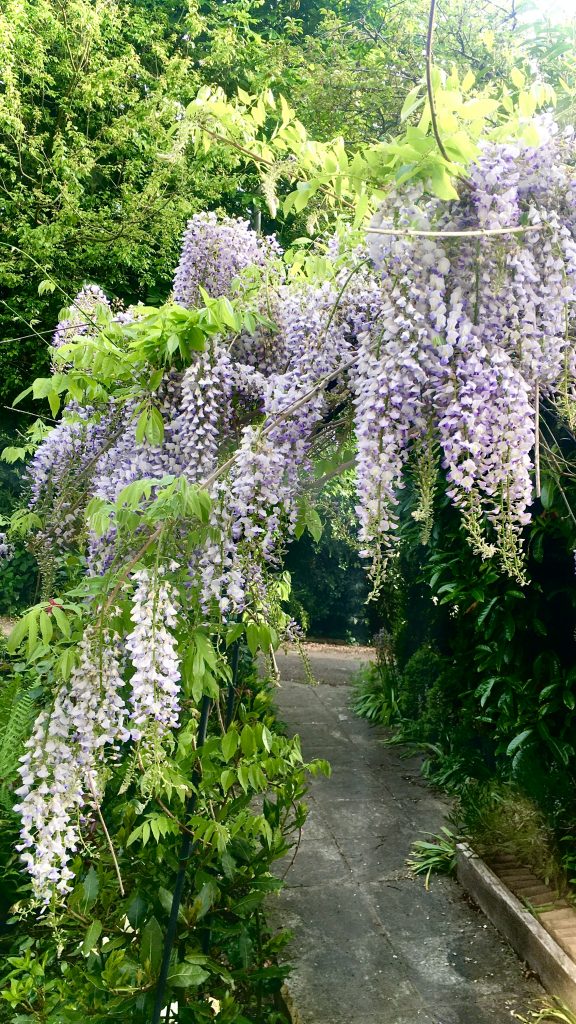
One thing that made a surprisingly big difference in our garden was adding a garden arch between two areas.
It sounds really simple, but when it comes to garden zoning ideas on a budget, visually, it acts almost like a doorway between spaces and helps create that feeling of moving from one section of the garden into another.
I also love that metal garden arches create height without making the garden feel boxed in. Ours helped soften the transition between two areas of the garden and once the planting started growing through it properly, it made the whole space feel much more established. They work especially well if you like slightly softer garden design rather than really sharp modern lines everywhere
Planters are one of the cheapest ways to divide a garden
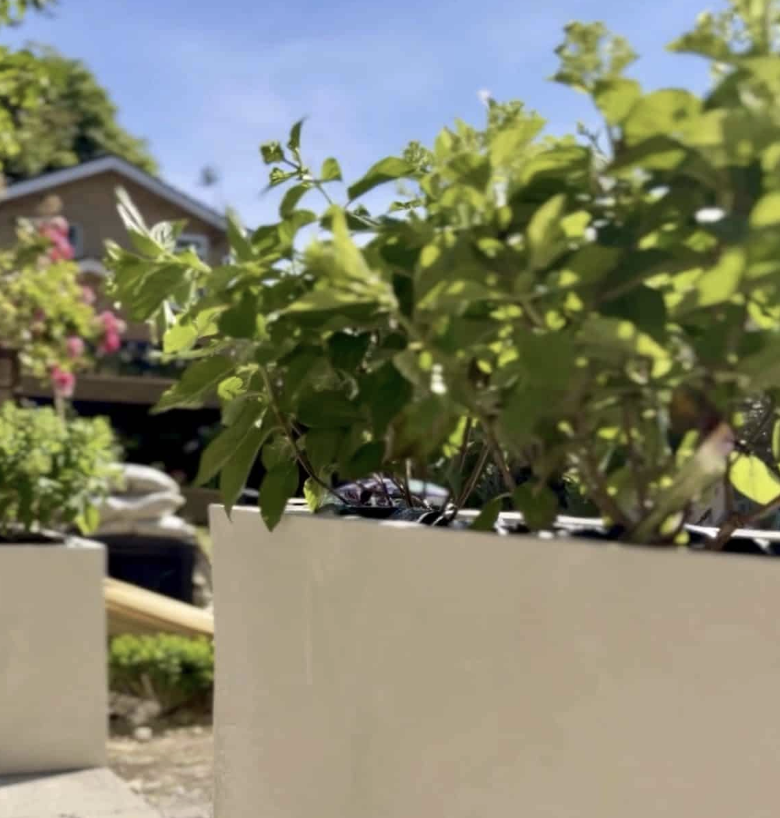
I still think DIY planters are one of the most useful things we’ve built because they do so many different jobs at once.
They add structure, create privacy, soften hard landscaping and help separate different areas without needing permanent walls or fencing.
We’ve ended up using DIY planters all over the garden over the years, partly because they’re affordable, but mainly because they’re so useful for awkward spaces where you need some sort of visual separation without building permanent structures. Some divide the lawn from the gravel path, some frame the patio area and others soften corners that previously felt a bit bare and unfinished.

Building your own planters also means you can make them exactly the right size for the space instead of trying to find expensive ready-made ones that fit.
Microcement planters, timber planters and slat planters all work really well depending on the style you want.
Decking creates instant outdoor living zones

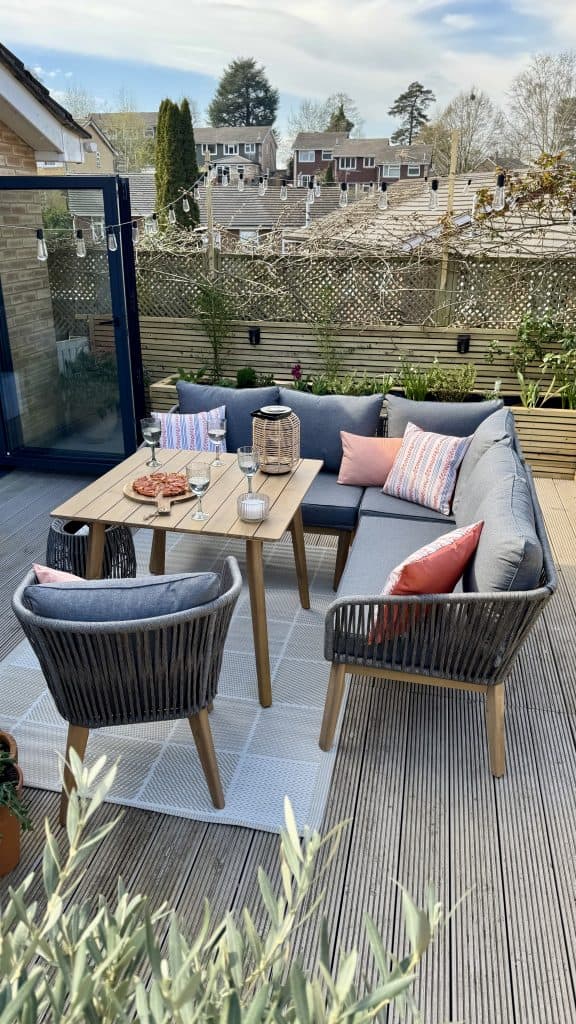
Our decking revamp completely changed the way we used part of the garden because it naturally became its own separate outdoor area.
I think this works particularly well if you’re trying to make your garden feel more modern and sociable without completely redesigning everything from scratch.
Adding an outdoor rug, layered lighting and planters around decking also helps reinforce the zoning naturally without needing loads of heavy landscaping
Pergolas and screens help create privacy

You don’t necessarily need full fencing to divide a garden.
Pergolas, slatted screens and planting can all create softer zoning without making the space feel boxed in or too enclosed.
Pergolas and screens make a huge difference if your garden feels overlooked or slightly exposed, which is especially common in newer estates where gardens can feel a bit open before the planting matures properly. Even adding one slatted screen or small pergola section can completely change how private and cosy a seating area feels.
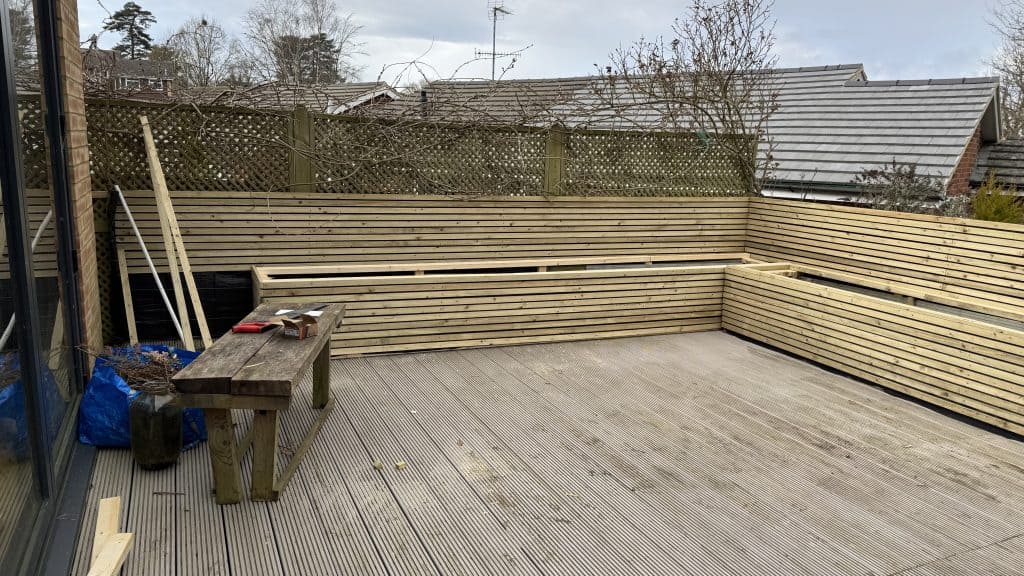
DIY slat fencing works brilliantly for this because it creates separation while still letting light through.
We’ve gradually layered in more planting around those areas as well using ornamental grasses, climbing plants and taller shrubs because softer screening usually ends up looking much more natural over time than solid fencing everywhere
Garden zoning ideas on a budget – steps help break the garden up naturally

Adding steps was one of those projects that made the garden feel much more designed afterwards, even though structurally they were actually quite simple.
Changes in height naturally create zoning because your eye immediately reads them as different spaces.
Even one or two small steps can help break up a flatter layout and make the whole garden feel more interesting and layered.
Lawn areas work best when they feel intentional

One thing I’ve noticed looking at professionally designed gardens is they rarely just have random patches of grass dropped into the middle of the space.
The lawn usually feels connected to the overall layout somehow.

In our garden, the lawn area started working much better once it was framed properly with borders, pathways and planting rather than just fading into everything else.
That made the whole garden feel more organised and also helped create clearer separation between the entertaining areas and the more practical family space.
Planting softens all the different zones together
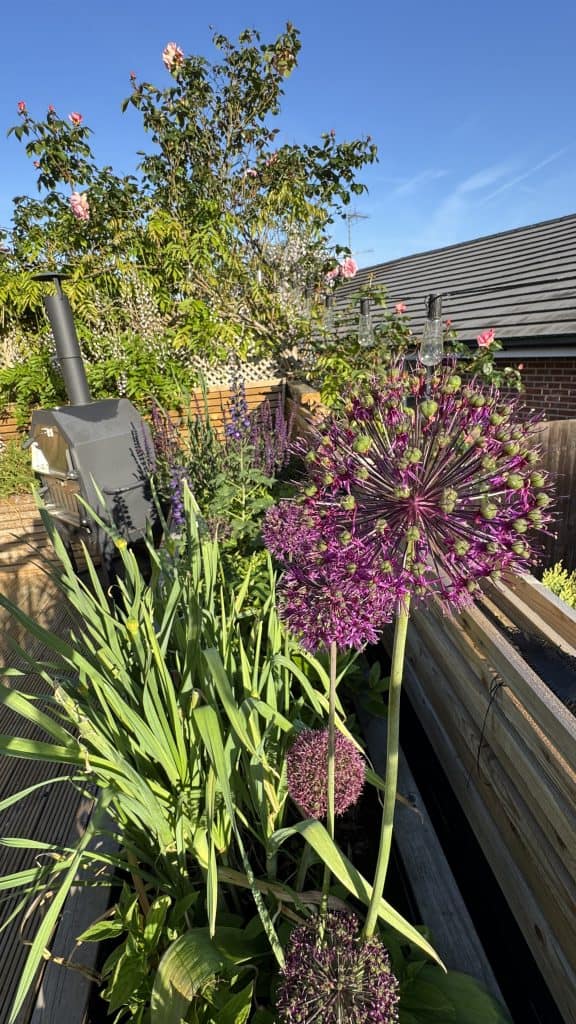
I think planting is the bit that stops zoning from feeling too harsh or overplanned.
We’ve used lots of ornamental grasses and evergreen shrubs over the years because they soften the harder landscaping really nicely without needing loads of maintenance. Lavender works brilliantly along pathways as well because it spills over the edges slightly and stops everything looking too rigid.
Climbing jasmine, taller perennials and layered planting also help connect the different sections of the garden together so the transitions feel softer and more natural.
That balance between structure and planting is probably what makes gardens feel relaxed rather than overdesigned.
Garden zoning ideas on a budget that genuinely changed our garden
Looking back now, I think the biggest difference came from layering lots of smaller ideas together rather than doing one huge makeover project.
Adding pathways helped guide you through the space more naturally, the planters softened different sections of the garden and things like arches, screens and planting gradually made everything feel much more established and intentional.
None of it happened overnight either. Most of it evolved slowly over several years as we figured out how we actually used the garden as a family rather than how we thought it was supposed to look in our heads.
That’s probably why I like garden zoning ideas so much now. They’re less about spending huge amounts and more about making outdoor spaces work better and feel more inviting over time.
FAQs
What is the cheapest way to divide a garden?
Planters, gravel paths, planting and slatted screens are some of the most affordable ways to create separate zones in a garden.
How do you zone a small garden?
Using pathways, planting, changes in materials and vertical height helps create separate areas without making the space feel cramped.
What plants work best for garden zoning?
Ornamental grasses, evergreen shrubs and climbing plants work particularly well because they soften hard landscaping and help connect different zones together naturally.
Do garden zones make a garden feel bigger?
Yes, creating separate zones often makes gardens feel larger because your eye moves gradually through the space rather than seeing everything at once.